


Nature, in the broadest sense, is equivalent to the natural world, physical world, or material world. "Nature" refers to the phenomena of the physical world, and also to life in general. Nature includes all living thing matter and non-living matter that is naturally in the earth. In the purest sense, it is the environment without human activity.
The word nature is derived from the Latin word "natura" or "essential qualities, innate disposition", and in ancient times, literally meant "birth". Natura was a Latin translation of the Greek word physis, which originally related to the intrinsic characteristics that plants, animal, and other features of the world develop of their own accord. The concept of nature as a whole, the physical universe, is one of several expansions of the original notion; it began with certain core applications of the word physis by pre-Socratic philosophers, and has steadily gained currency ever since. This usage was confirmed during the advent of modern scientific method in the last several centuries.
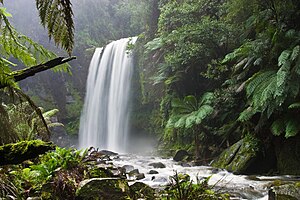
Within the various uses of the word today, "nature" often refers to geology and wildlife. Nature may refer to the general realm of various types of living plants and animals, and in some cases to the processes associated with inanimate objects- the way that particular types of things exist and change of their own accord, such as the weather and geology of the Earth, and the matter and energy of which all these things are composed. It is often taken to mean the "natural environment" or "wilderness"- wild animals, rocks, forest, beaches, and in general those things that have not been substantially altered by human intervention, or which persist despite human intervention.


0 comments:
Post a Comment